

What Every Investor Must Know About the New Self-Declaration Name System
A legal storm is brewing in China’s retail sector.
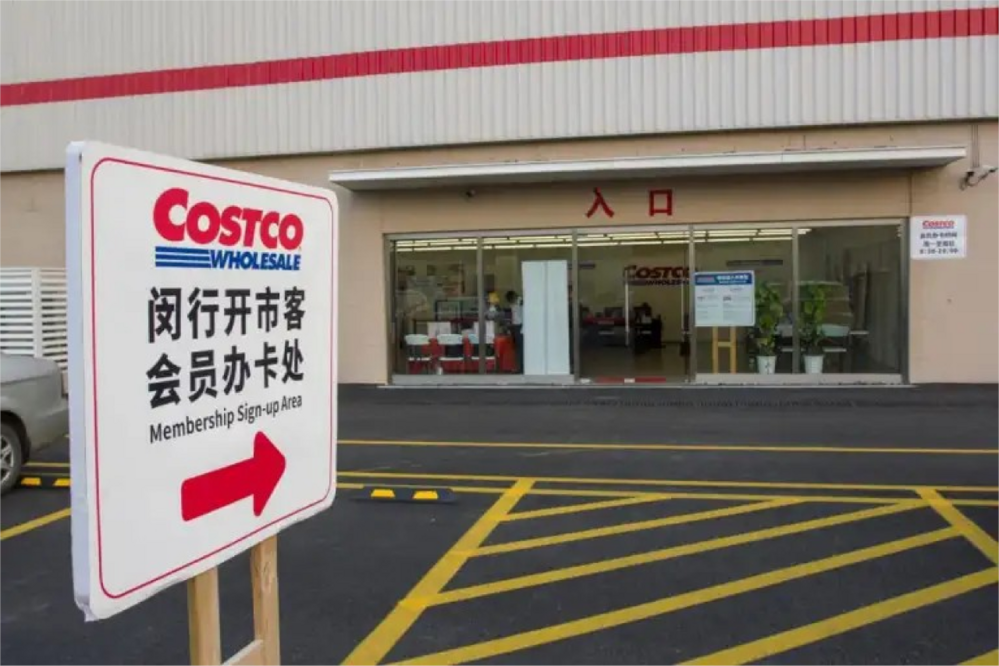
In April 2026, Costco (Beijing) International Business Development Co., Ltd. announced a $1.5 billion plan to enter the warehouse supermarket market, claiming official authorization from the US parent company.
The problem? Costco (China) Investment Co., Ltd. – which has been operating 7 stores in China for years – immediately fired back, accusing the Beijing entity of trademark squatting and misleading the public. The dispute has escalated to court, with the Beijing entity now countersuing for defamation.
This isn’t just a trademark war. It’s a perfect case study of China’s new corporate name registration system.
Big Shift: From "Approval" to "Self-Declaration"
Before 2021, registering a company name required pre-approval by authorities. The government actively checked if your name conflicted with others. No approval, no registration.
Since March 2021, under the revised Provisions on Enterprise Name Registration, China has fully implemented a Self-Declaration System.
What changed?
| Old System (Pre-2021)1 | New System (Now) |
| Government actively checks for conflicts | You check online; government does not pre-approve. |
| Approval = green light. | Your declaration = “I take responsibility” |
| Low risk for applicant | You bear all legal risks |
The system allows faster registration, but the legal liability for name conflicts shifts entirely to the company that registers the name.
The 3-Step Process (Based on 2026 Guidelines)
Step 1: Prepare the Name Structure
A valid Chinese company name must follow this order:
Region + Brand Name (字号) + Industry + Legal Form
Example: Beijing + Sunshine + Technology + Co., Ltd.
Step 2: Self-Check Online
Log into the provincial market regulator’s name declaration system. Enter your proposed name. The system will automatically return:
A "prohibited use" notice (rare)
A "risk warning" (common)
Critical: The 2026 Guidelines explicitly state that the system has limitations. It may NOT catch all risks, and its results have no legal force. You are responsible for judgment beyond the system.
Step 3: Complete Registration within the Validity Period
Name reservation is valid for 2 months (or up to 1 year for special projects)
If you don’t complete registration within that period, the name is released back into the pool
Hidden Risks (The Costco Case Reveals)
1. "Riding on a Famous Brand" is Dangerous
The Guidelines clearly require applicants to follow honesty and good faith, respecting prior legal rights. If your name conflicts with a well-known brand (like Huawei, Tsinghua, P&G, or Costco), you face:
Lawsuits for unfair competition
The regulator’s power to retroactively cancel your name, even after registration
2. A "License Letter" May Not Be Enough
Costco (Beijing) claimed to have a trademark license. But lawyers quickly pointed out:
The license was incomplete and lacked registration
Unregistered licenses cannot be enforced against third parties
Even if you hold a paper saying “authorized”, you may still lose in court if the rights chain is broken or the scope doesn’t cover your actual business.
3. "Approved" Does NOT Mean "Safe Forever"
Under current law, regulators retain the right to correct a company name even after registration, if it violates the rules. Other companies can also file a request for correction.
Registration is not a final judgment – it’s a starting point with ongoing risk.
Practical Advice for Companies Entering China
Go beyond the system search
The online system is a tool, not a shield. Manually check for similar famous brands, trademarks, and industry names – especially those that may claim cross-industry protection.
Be very careful with "known elements"
If your desired name contains a word that is identical or similar to a well-known brand (even internationally), assume a high risk – even if the system says “low risk”.
Validate your license chain
If you rely on a third party’s brand authorization:
Verify the complete chain of rights
Ensure the license explicitly covers your business scope
Register the license with the trademark office (required to bind third parties)
Plan for post-registration challenges
Even after successful registration, a prior rights holder can:
Sue you for unfair competition
Request the regulator to correct your name
Seek damages
CONCLUSION
The "Costco Twin Battle" is a wake-up call. China’s self-declaration system makes name registration faster and easier – but it shifts risk and responsibility from the government to you.
Your company name is your first impression in China. But behind that name lies legal exposure that you – not the registration system – will bear.
------------------------------------------------------------------------------------------------
Authored by InterGest China – your partner for cross-border investment, company formation, and full-lifecycle compliance in China.
Sources: Public court filings, media reports, and the State Administration for Market Regulation’s 2025 Enterprise Name Declaration Guidelines (effective 2026).